The Holy Abode of Lord Jagannath
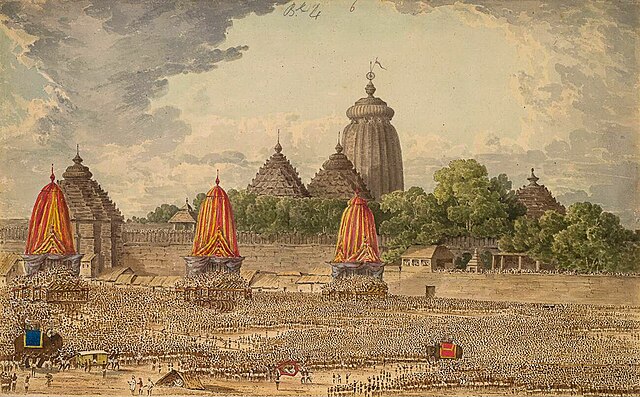
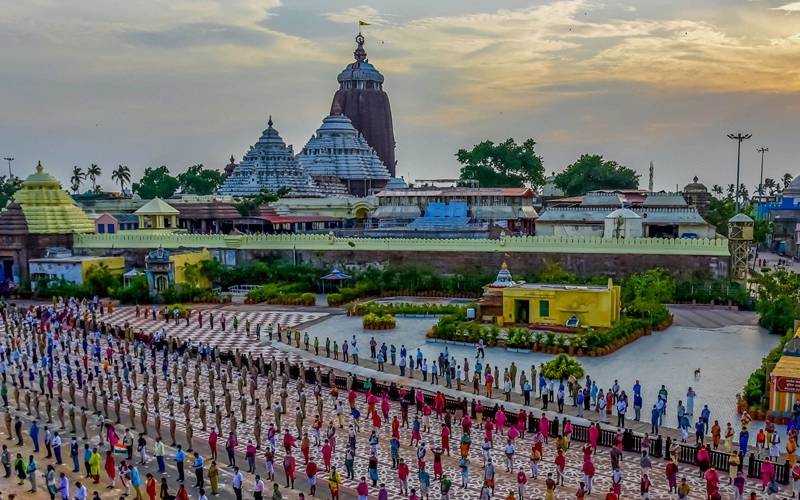
Shree Jagannath Temple in Puri is one of the most sacred and majestic pilgrimage sites in India, celebrated for its ancient heritage, spiritual significance, and unique traditions. Built in the 12th century by King Anantavarman Chodaganga Deva of the Eastern Ganga dynasty, the temple stands as a masterpiece of Kalinga architecture, with its towering shikhara, intricate stone carvings, and immense grandeur. Dedicated to Lord Jagannath, along with Lord Balabhadra and Goddess Subhadra, the temple is renowned for its distinctive wooden idols, which are replaced every 12 to 19 years through the sacred ritual of Nabakalebara. Throughout history, the temple has survived numerous invasions, natural challenges, and political changes, yet it continues to shine as an unshakeable symbol of devotion and resilience. Its daily rituals, including the preparation of Mahaprasad in the world’s largest temple kitchen, reflect a deep bond between spirituality and culture. The globally celebrated Ratha Yatra, where the deities travel on gigantic chariots, draws millions of devotees who gather to witness this divine journey. With its powerful legends, vibrant festivals, ancient customs, and timeless aura, Shree Jagannath Temple remains not only the heart of Odisha’s spiritual life but also one of the most revered cultural treasures of India.
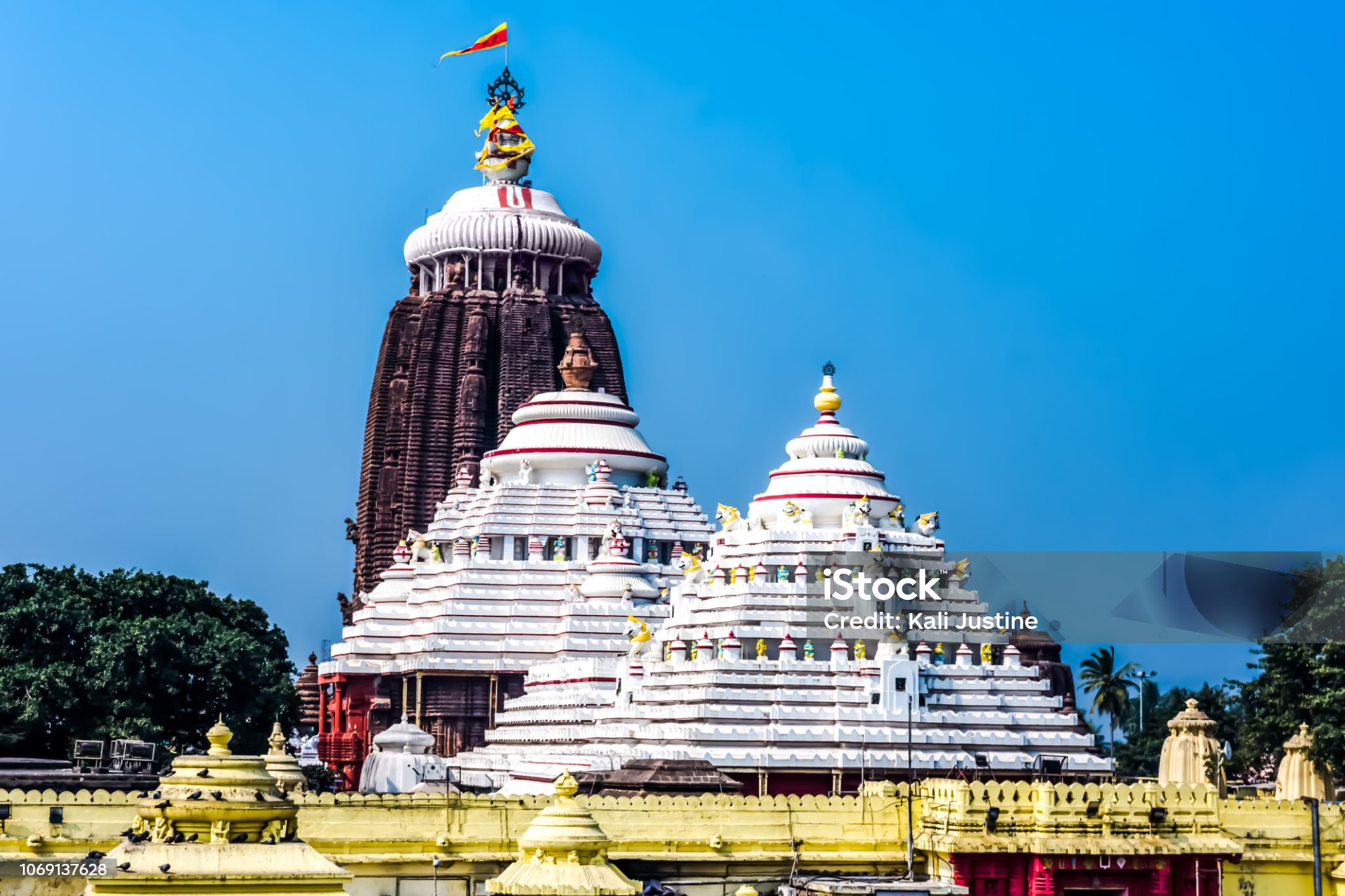
The Jagannath Temple in Puri has a long, fascinating, and deeply spiritual history that reflects the cultural richness of Odisha and the devotion of millions of worshippers. Although legends trace its origins to the mythical King Indradyumna, who first established the shrine for Lord Jagannath, the present grand temple structure was built in the 12th century by King Anantavarman Chodaganga Deva of the Ganga dynasty. Over the centuries, the temple has witnessed various historical events, including invasions by foreign rulers, during which the precious deities were secretly taken to safe locations by the priests to protect them. Despite these challenges, the temple continued to be restored and preserved, standing strong as a symbol of resilience and faith. Its distinctive Kalinga architecture, towering spire, and unique wooden idols of Jagannath, Balabhadra, and Subhadra make it one of the most revered shrines in India. The temple is also renowned for its elaborate rituals, daily offerings known as Mahaprasad, and the grand Ratha Yatra festival, which draws devotees from across the world. Through its legends, traditions, and spiritual energy, the Jagannath Temple remains a living testament to India’s sacred heritage and the enduring power of devotion.
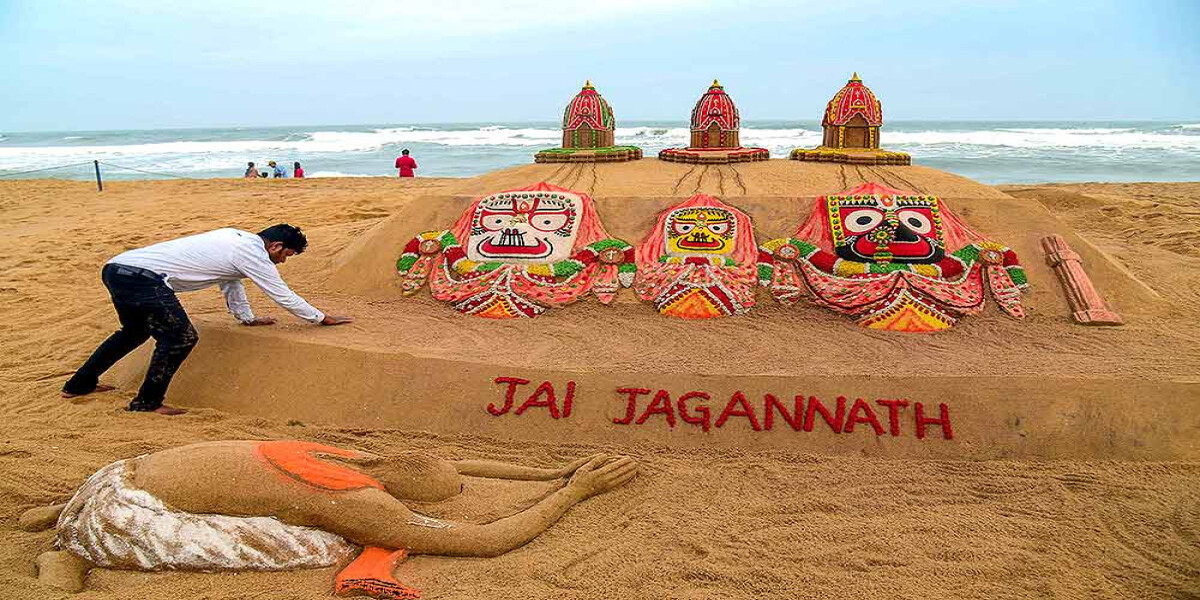
Puri Beach, located on the coast of the Bay of Bengal in Odisha, is one of the most beautiful and popular beaches in India. Known for its wide stretch of golden sand and strong waves, it attracts tourists, pilgrims, and nature lovers throughout the year. Visitors enjoy peaceful walks along the shore, watching the sunrise, and experiencing the lively atmosphere filled with local vendors and seafood stalls. The beach is also famous for its sand art created by talented artists, especially during festivals and special events. With its natural beauty, cultural charm, and soothing seaside environment, Puri Beach is a perfect place to relax and enjoy the wonders of nature.
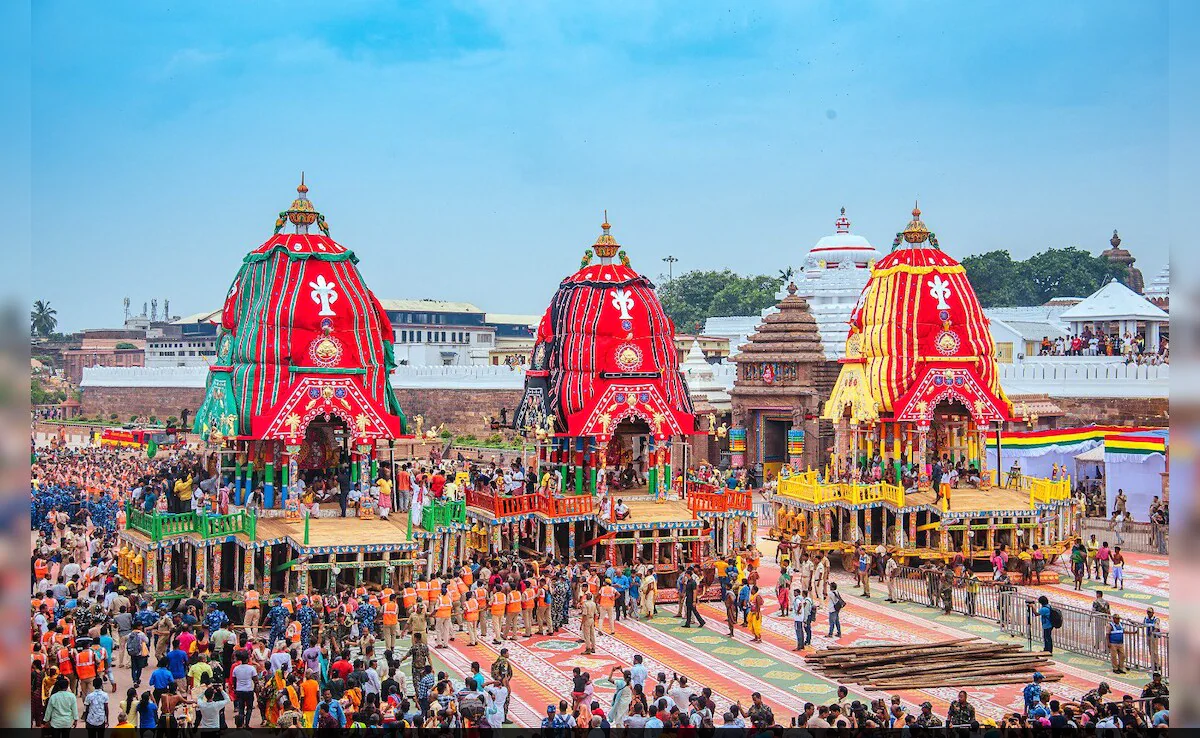
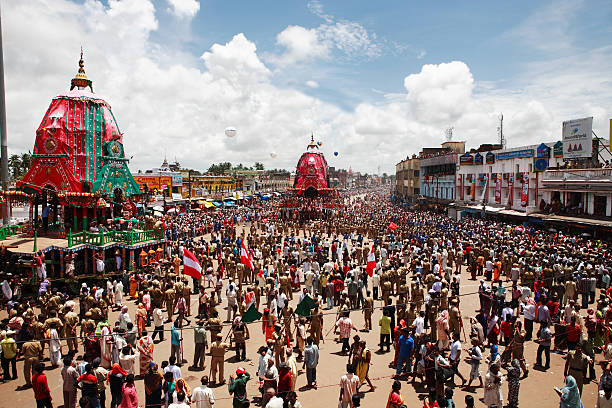
Ratha Yatra Road, also known as the Grand Road or Bada Danda, is the famous ceremonial path in Puri where the annual Ratha Yatra of Lord Jagannath takes place. This wide and historic road stretches from the Shree Jagannath Temple to the Gundicha Temple, and it becomes the center of devotion and excitement during the festival. Thousands of devotees gather here to pull the massive chariots of Lord Jagannath, Balabhadra, and Subhadra as they move along the road with chants, music, and celebrations. Throughout the year, Bada Danda remains a bustling and culturally rich area, but during Ratha Yatra, it transforms into a grand spiritual avenue filled with faith, color, and tradition.
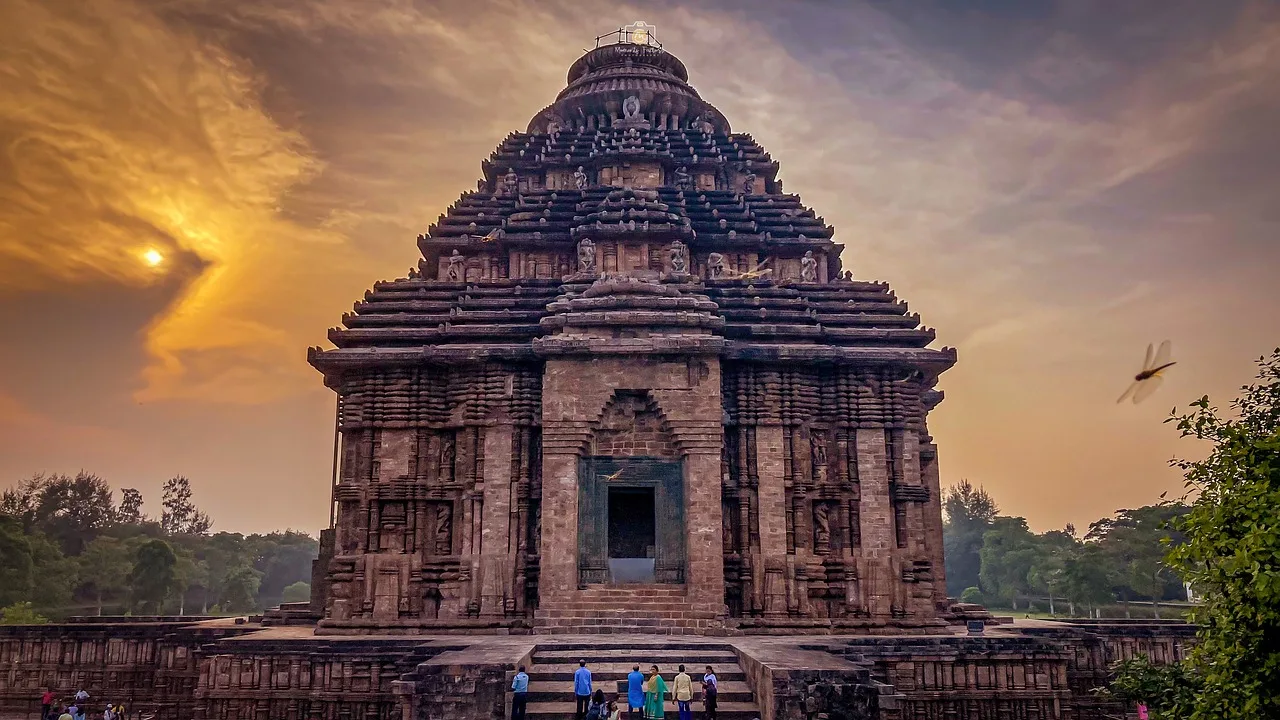
The Konark Sun Temple, located in Odisha, is a magnificent 13th-century monument built by King Narasimhadeva I of the Eastern Ganga dynasty. Designed in the shape of a colossal chariot of the Sun God Surya, it stands on twelve intricately carved wheels and is pulled by seven beautifully sculpted horses. The temple is famous for its stunning stone carvings, detailed artwork, and architectural brilliance, which reflect the rich cultural heritage of ancient India. Although parts of the temple are now in ruins, Konark still remains a UNESCO World Heritage Site and a symbol of Odisha’s glorious history and craftsmanship.
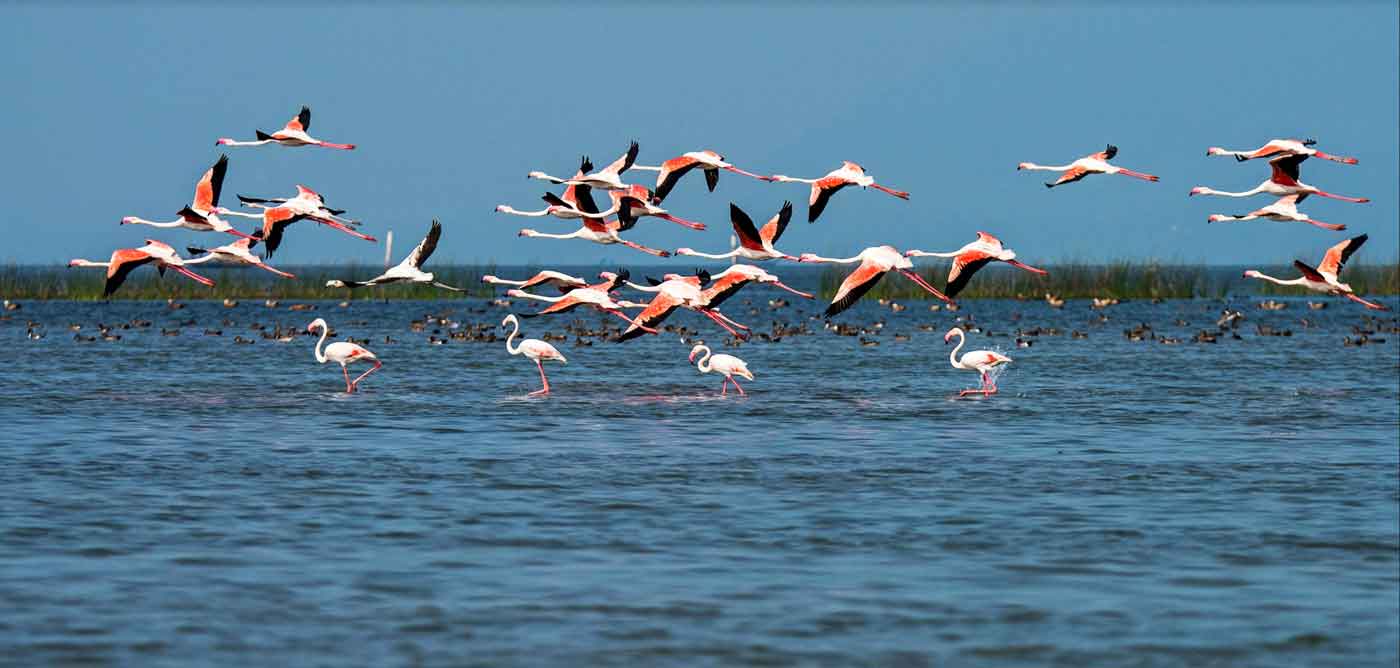
Chilika Lake, located on the coast of Odisha, is the largest brackish water lagoon in India and a paradise for nature lovers. Known for its breathtaking beauty, the lake is home to a rich variety of birds, including many migratory species that arrive from distant countries during winter. Its calm waters, dotted with small islands like Nalabana and Kalijai, create a peaceful and scenic environment. Chilika is also famous for its dolphins, especially the Irrawaddy dolphins that attract many visitors. The lake supports thousands of fishermen and showcases a harmonious blend of biodiversity, culture, and livelihood, making it one of Odisha’s most treasured natural wonders.
Ratha Yatra is one of the most sacred and vibrant festivals celebrated in Puri, Odisha, where Lord Jagannath, along with his siblings Balabhadra and Subhadra, is taken out of the Jagannath Temple in grand chariots. These massive, beautifully decorated raths are pulled by thousands of devotees, symbolizing unity, devotion, and equality, as people from all backgrounds join together. The deities travel to the Gundicha Temple, marking their annual journey to their aunt’s house, and return after a few days in a ritual called Bahuda Yatra. The festival showcases rich cultural heritage, devotion, music, and tradition, making it one of the most spectacular religious events in India..
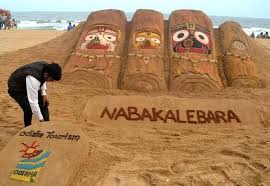
Naba Kaleabara is a sacred ritual of the Jagannath Temple in Puri, during which the wooden idols of Lord Jagannath, Lord Balabhadra, Devi Subhadra, and Sudarshan are replaced with newly carved ones. This divine ceremony happens when an extra month, known as Adhika Ashadha, appears in the Hindu lunar calendar, usually once every 12 to 19 years. The new idols are carved from sacred neem trees called Daru, selected through special rituals. During Naba Kaleabara, the Brahmapadartha (soul substance) is transferred from the old idols to the new ones in a highly secret and spiritual process. This event attracts millions of devotees, symbolizing renewal, rebirth, and the eternal cycle of life in Jagannath culture..
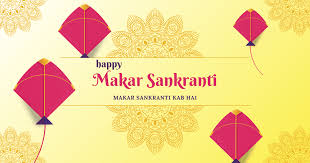
Makar Sankranti is a popular Hindu festival celebrated every year in January to mark the transition of the sun into the zodiac sign of Makara (Capricorn). It is considered a harvest festival and symbolizes the end of winter and the beginning of longer, warmer days. People celebrate this festival by flying colorful kites, preparing traditional sweets like tilgul and chikki made of sesame and jaggery, and taking holy dips in rivers. In many parts of India, people worship the Sun God and thank nature for a good harvest. Makar Sankranti is known by different names in different states—such as Pongal in Tamil Nadu, Lohri in Punjab, and Uttarayan in Gujarat. The festival brings joy, togetherness, and the spirit of sharing and bonding among families and communities..
Jhulan Yatra, also known as the Swing Festival, is a joyful celebration held during the month of Shravana at the Jagannath Temple. During this festival, the idols of Lord Jagannath, Balabhadra, and Subhadra are placed on beautifully decorated swings and worshipped with devotion. The temple is filled with music, flowers, and celebrations, making it a vibrant and spiritually uplifting event for devotees..
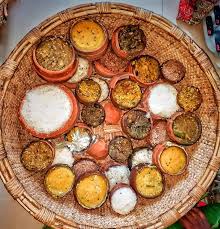
Mahaprasada, the sacred food offered to Lord Jagannath in the Puri Jagannath Temple, is considered one of the holiest offerings in Hindu tradition. Prepared in the temple’s ancient kitchen, using traditional clay pots and steam-cooking methods, it includes rice, dal, vegetables, khichdi, sweets, and many other dishes. Once offered to the deities, the food becomes Mahaprasada and is shared among devotees as a symbol of divine blessings and equality, since everyone—regardless of caste or status—eats together at Anand Bazaar. Known for its purity, unique taste, and spiritual significance, Mahaprasada represents devotion, community, and the rich cultural heritage of Odisha.
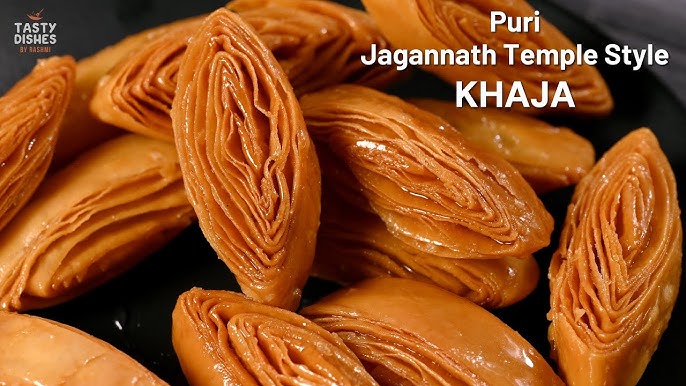
Puri Khaja is a famous traditional sweet from Odisha, especially known as a special offering at the Shree Jagannath Temple. Made from layers of refined flour, ghee, and sugar syrup, it has a crisp texture on the outside and a light, flaky sweetness inside. Khaja is prepared with great skill, and its delicate layers melt in the mouth, making it a favorite among visitors and devotees. Sold widely near the temple and in Puri’s markets, this sweet has become an iconic part of the city’s food culture. Loved for its simplicity, crunch, and divine connection, Puri Khaja remains a cherished treat for people of all ages.
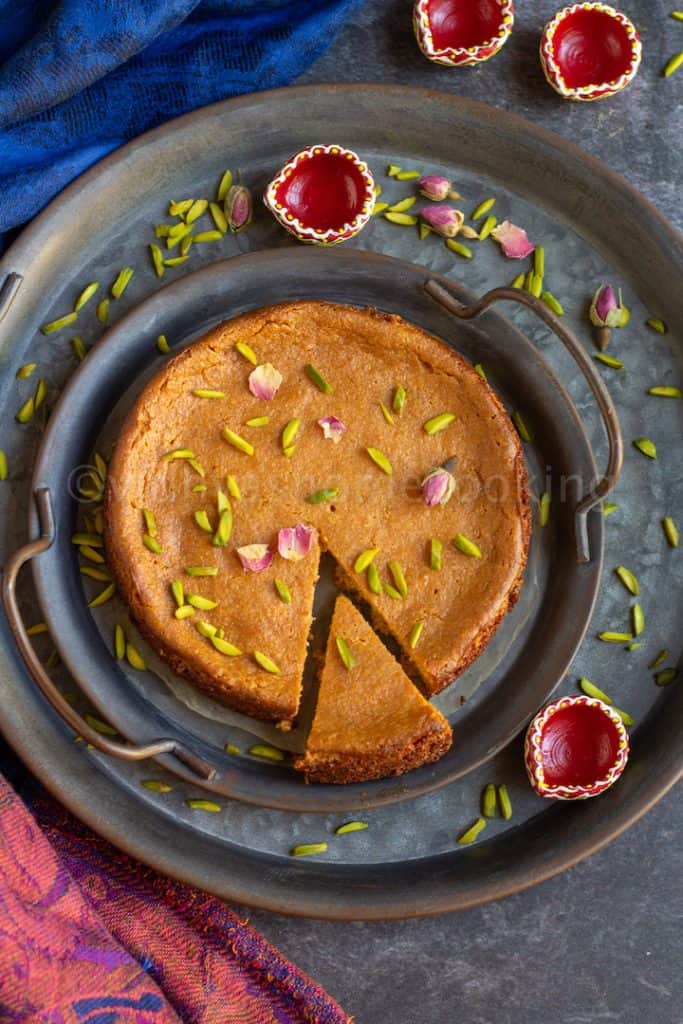
Chhena Poda, often called the “queen of Odia sweets,” is a famous traditional dessert from Odisha made by baking fresh chhena (cottage cheese) mixed with sugar, semolina, and cardamom. Its signature caramelized crust and soft, flavorful inside give it a unique taste that sets it apart from other sweets. Legend says Chhena Poda was discovered by accident when a sweet maker left sweetened chhena in a warm oven overnight, creating this delicious treat. Today, it is loved across Odisha and served during festivals, celebrations, and special occasions. With its rich aroma and delightful flavor, Chhena Poda continues to be a symbol of Odisha’s culinary heritage.
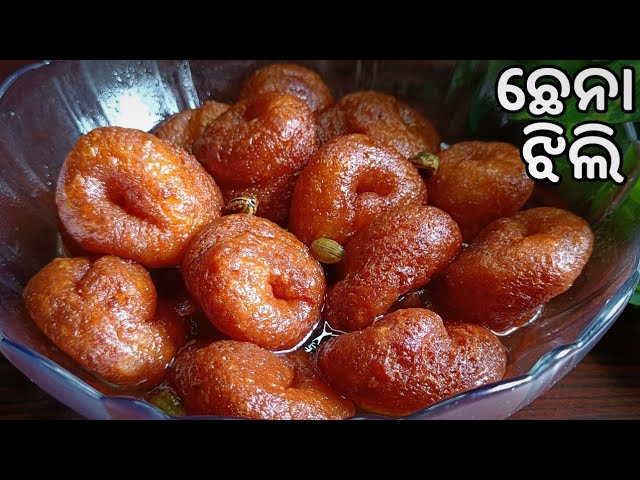
Jhili is a traditional sweet from Odisha, especially popular in Nimapada and other nearby regions. Made from a smooth batter of rice flour and urad dal, it is shaped into long, thin pieces and deep-fried until golden. The fried pieces are then soaked in light sugar syrup, giving Jhili its soft, juicy texture and mild sweetness. Unlike heavier sweets, Jhili tastes light and refreshing, making it a favorite during festivals, family gatherings, and daily snacks. With its unique shape, gentle flavor, and cultural charm, Jhili remains one of Odisha’s most beloved traditional sweets.